
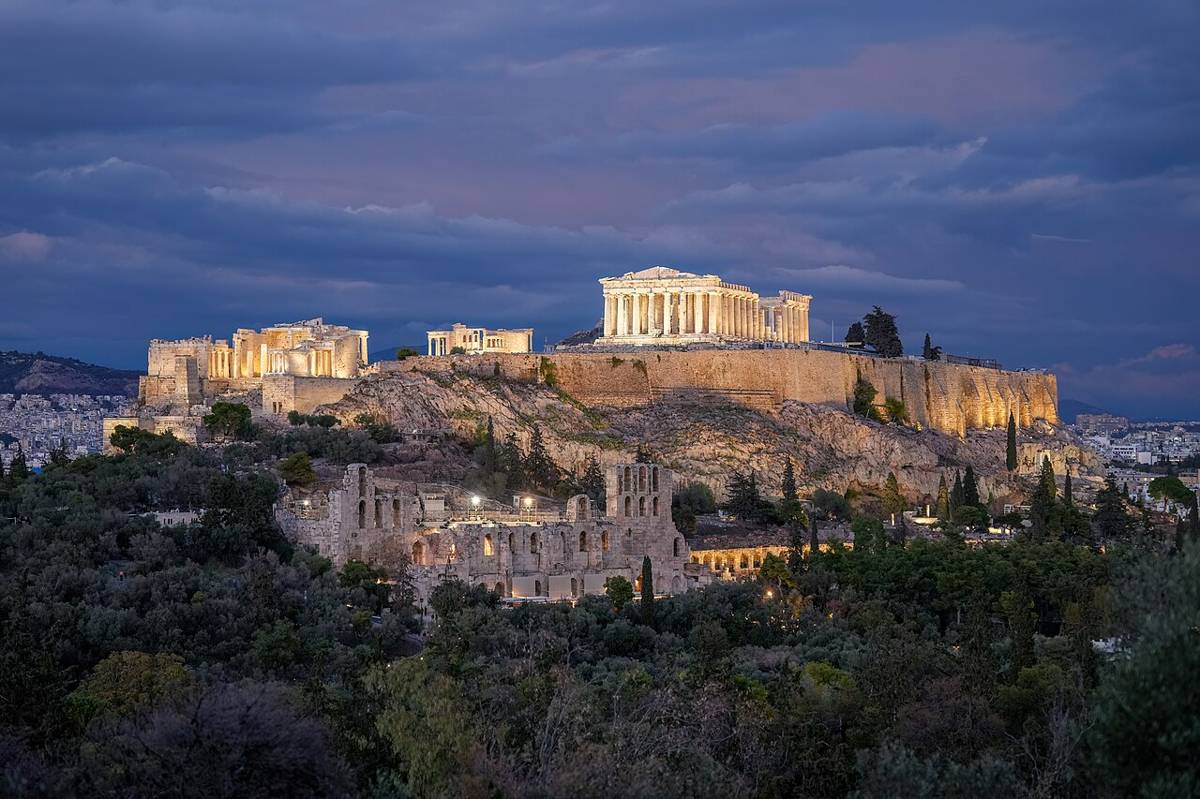
A holiday with friends, relatives or a work team needs more than a list of famous names. Greece tours bring together ancient temples, colourful islands and relaxed lunches beside the sea, yet the most memorable days follow a clear plan. This full planner explains where groups travel, how each outing works and what it includes.
School trips, sports clubs, extended families and company teams all face the same puzzle: keeping everybody happy at once. The answer is to match every destination with the right kind of tour. At My Greece Tours, the happiest groups are the ones who organise the plan carefully before anyone packs a suitcase.
Which Greece Tours Cover The Best Of The Mainland?
The best mainland Greece tours connect Delphi, Meteora, Mycenae, Epidaurus, Nafplio and Olympia through day trips from Athens or coach journeys with hotel nights. Groups can compare ideas for Greece tours and Tours In Greece before choosing a route. The mainland especially rewards groups who enjoy ancient history told through stone and legend.
What are the must-see places in the mainland?
Delphi clings to the slopes of Mount Parnassus, where ancient Greeks believed the centre of the world lay. Above the Temple of Apollo sit a stone theatre and a stadium for athletic competitions. Further north, Meteora displays monasteries balanced on top of enormous rock pillars, and monks once travelled up in nets pulled by ropes.
In the hills of the Peloponnese, Mycenae was the powerful city of King Agamemnon in Greek legend. Groups enter through the Lion Gate, where carved lions still guard the doorway. Nearby, the great theatre of Epidaurus is famous for its remarkable sound, because a whisper on the stage travels clearly to the highest seats.
Nafplio is an elegant harbour town that served as the capital of modern Greece before Athens. The Palamidi fortress, built by the Venetians, watches over it from a steep hill. Ancient Olympia, birthplace of the Olympic Games, still lights the Olympic flame. Many coaches pause at the Corinth Canal, a narrow channel cut through rock.
Which formats do Greece tours use in the mainland?
Mainland Greece tours come in several shapes, and each suits a different part of a group. Small-group tours fit friends and couples who want a guide’s full attention and time for questions. Full-day trips from Athens by coach work well for large families and clubs, since everybody rides together and the driver handles the roads.
Guided walking tours fit school groups and curious teenagers, because the guide turns ruins into memorable stories. Entry tickets alone suit groups who prefer to explore at their own pace. Parents with small children can take regular breaks, while enthusiastic readers linger at every information sign without anybody feeling rushed. That freedom keeps everyone cheerful.
Multi-day tours with hotel nights suit company teams and clubs who want the mainland in a single smooth journey. Each evening ends in a different town, and the luggage travels on the coach. This format connects Delphi, Meteora and the Peloponnese without tiring drives back to Athens every night. Groups see more and travel less.
What is part of Greece tours in the mainland?
A licensed or local guide is the heart of most mainland Greece tours. Only guides with a state licence may lead groups inside Greek archaeological sites and museums. They know which path avoids the crowds and which story will grip a bored teenager. For a group, that experience keeps everybody listening instead of drifting away.
Entry tickets matter more than many organisers expect. When tickets are included, the guide collects them and the whole party walks in together. Nobody queues under the burning sun or struggles with phones and paperwork at the entrance. That saves energy for the monuments themselves, which are the real reason for the journey.
Hotel nights come with multi-day trips, and they remove a major planning job from the organiser. The rooms sit close to the next morning’s sight, so the group starts fresh. Families sleep near each other, and company teams can gather in the lobby every evening. A single booking for the route also keeps costs clear.
How do groups get the timing right in the mainland?
Start early on mainland days, because Delphi and Olympia stay cooler and quieter in the morning. Spring and autumn bring comfortable weather and green hillsides. Choose a meeting point everybody can find, and agree on a clear time to return to the coach. A shared group chat helps stragglers catch up quickly.
Comfort matters on rocky paths, so everybody should pack sturdy shoes with good grip. Bring hats, sunscreen and refillable water bottles, since shade is rare at most ruins. Snacks keep children and slower walkers cheerful between stops. A light jacket is useful at Meteora, where the air feels cooler on the rocks.
Which Greece Tours Cover The Best Of The Islands?
The best island Greece tours combine boat cruises, swim stops and wine tastings across Santorini, Mykonos, Delos, Milos, Naxos and Paros. Private skippers serve groups who want their own boat, while larger parties share bigger cruise boats. Each island has its own personality, so groups do best choosing a few and exploring slowly.
What are the must-see places in the islands?
Santorini is the rim of a collapsed volcano, with white villages lining the top of steep cliffs. Oia is famous for blue domes and golden sunsets, while Fira is the lively main town with cafés above the water. Mykonos answers with a hill of white windmills and a maze of lanes designed to confuse pirates.
Close to Mykonos lies Delos, a sacred island where myth says Apollo was born. The entire island is an open-air museum of temples, houses and the Terrace of the Lions. On Milos, the white rocks of Sarakiniko resemble the moon, and boats visit the sea caves of Kleftiko, a former pirate hideout.
Naxos greets visitors with the Portara, a giant marble doorway from an unfinished temple. It stands alone on a little island joined to the town by a path. On Paros, the fishing harbour of Naoussa is full of colourful boats and seaside tables. Both islands appear on lists of the top Greek islands to visit.
Which formats do Greece tours use in the islands?
Island Greece tours come in formats that suit every kind of group. Private tours with a driver-guide or skipper are priced per group rather than per person, which helps larger parties and families with grandparents. Boat cruises with swim stops suit mixed groups, since swimmers jump in while others relax on deck.
Snorkel and beginner scuba trips delight teenagers and sporty clubs. Instructors explain every step on board, so beginners feel safe before entering the water. Full-day trips from Athens by coach connect the capital with the nearest islands. That format suits company teams on business trips with a busy schedule and a single free day.
Cooking classes and wine tastings suit food lovers and older guests who prefer a slower day. On Santorini, vines grow in dark volcanic soil and are woven into low baskets against the wind. Cooking classes teach traditional dishes with island herbs. Everyone eats what they make, which turns a lesson into a small party.
What is part of Greece tours in the islands?
Lunch or a BBQ meal on board is a highlight of island Greece tours. The crew grills fresh food while the boat rests in a quiet bay, so nobody hunts for a table big enough for the group. Drinks come too, and on some cruises they are unlimited, which keeps everybody relaxed.
Swim stops and snorkel gear turn a boat day into an adventure. Masks and fins come on board, so families never need to pack their own. A licensed or local guide shares island legends and points out sea caves and chapels along the coast, answering every curious question. Children especially love that attention.
Free time to explore matters on busy islands, since groups can split up for shopping or photography and meet again later. Wine tastings add a calm, sociable break to the day. For company teams, a shared tasting feels like a reward and helps quieter colleagues chat with people from other departments.
How do groups get the timing right in the islands?
Island days start with the boat, so the whole group should reach the port with time to spare. Boats depart on schedule and rarely wait for latecomers. In high summer, the morning sea is calmest, and the afternoon wind can pick up. Name one person as the counter who checks heads before every boarding.
Pack swimwear under clothes, plus a towel, reef-safe sunscreen and a hat. Seasickness tablets help anyone who feels unwell on boats. Wear sandals that grip wet decks and rocky beaches. A waterproof pouch protects phones, and a bag of snacks keeps younger children happy between the swim stops and the lunch served on board.
Which Greece Tours Cover The Best Of Crete And Rhodes?
The best Greece tours on Crete and Rhodes pair palaces and old towns with boat cruises, a mix that also suits Corfu and Zakynthos. These large islands hold enough for several days of exploring. Groups rarely run out of things to do, even when strong winds keep some boats in harbour.
What are the must-see places in Crete and Rhodes?
Knossos on Crete was the palace of the Minoans, an early people who used bronze tools long before classical Athens. Legend places the Minotaur, a monster that was part man and part bull, in a maze below it. The Heraklion museum holds the original treasures, including colourful wall paintings of bull leaping.
Chania’s old harbour has a Venetian lighthouse and rows of painted houses along the water. To the west, Balos lagoon shines in shades of turquoise over pale sand. On Rhodes, the Old Town is a walled medieval city built by knights. Its Street of the Knights still looks ready for a parade on horseback.
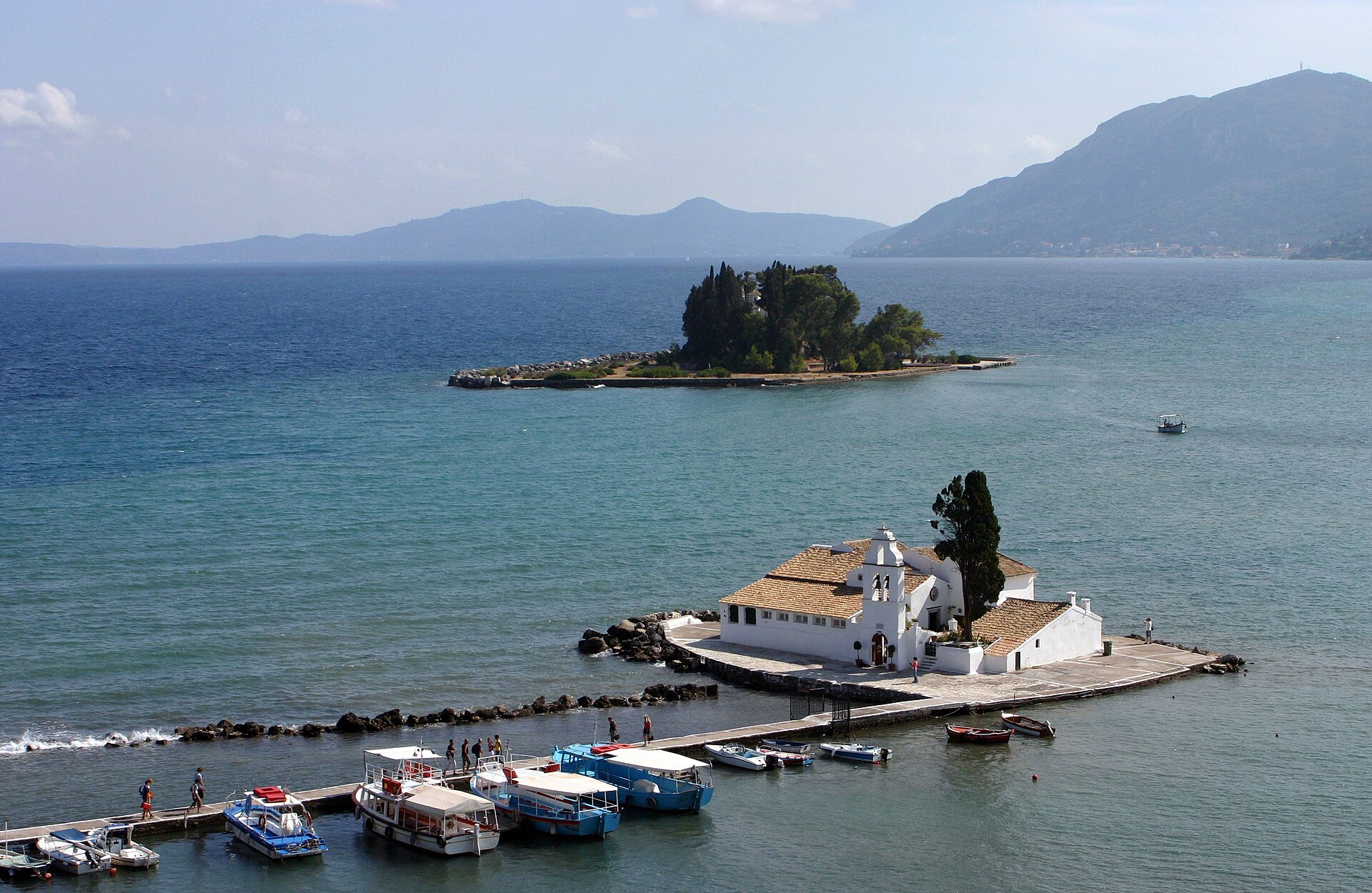
Lindos is a white village below a hilltop acropolis, an ancient fortress crowned by a temple to Athena. Corfu old town mixes Venetian forts with elegant arcades and narrow lanes. On Zakynthos, Navagio is a cove where a rusty shipwreck rests on white sand, surrounded by towering cliffs. It looks magical from a boat.
Which formats do Greece tours use in Crete and Rhodes?
Greece tours on these islands vary widely. Private tours with a driver-guide or skipper are priced per group, which feels fair for large families and clubs. The driver-guide collects everybody from the hotel and shapes the day around them. Boat cruises with swim stops suit friends who want Balos or Navagio from the sea.
Guided walking tours fit the old towns best, and history fans will love them. The streets of Rhodes and Chania are easy to cover on foot with a guide. Entry tickets alone suit groups who want to explore Knossos or the knights’ grand palace at their own pace. Families can rest whenever needed.
Full-day trips by coach, the same style that leaves Athens each morning, cross Crete from the main towns to distant beaches and ruins. They suit big groups who want one easy booking. Cooking classes and wine tastings suit couples, grandparents and food-loving teams. Cretan cooking uses plenty of olive oil, wild herbs and fresh cheese.
What is part of Greece tours in Crete and Rhodes?
Lunch or a BBQ meal is part of most boat-based Greece tours on Crete and Rhodes. It means a large group eats together without searching for a taverna with enough seats. Drinks come with the meal, and some cruises make them unlimited. That keeps the mood light and lets everyone relax after a long swim.
A licensed or local guide brings Knossos and the knights’ city to life. Without one, the ruins look like piles of stone to a younger visitor. Entry tickets that come with the tour let the group pass the gate together. Organisers also avoid the stress of buying many tickets for many people at once.
Swim stops break up hot days and give children something to look forward to at every bay. Wine tastings on Crete introduce local grapes and village wines in a relaxed setting. For company groups, these shared moments turn a list of sights into a trip people discuss long after returning home.
How do groups get the timing right in Crete and Rhodes?
Crete is large, so groups should stay near the sights they care about most. Book Knossos early in the day to beat the heat and the crowds. On Rhodes, the Old Town feels cooler in the late afternoon. Keep a printed list of names and phone numbers, so the leader can reach anyone who wanders.
Bring comfortable shoes for cobbled streets, since the old towns have smooth, slippery stones. Swimwear, towels and sunscreen belong in every daypack on boat days. Choose a bright scarf or matching cap so members spot each other in crowded lanes. Water, snacks and a small first-aid kit help families stay calm and cheerful.
Which Greece Tours Cover The Best Of Athens?
The best Greece tours in Athens join the Acropolis, its museum and ancient market with wine tastings and a coastal trip to Cape Sounion. Athens also works as a convenient base for many day trips. Most groups spend more than a single day here and still leave wanting more of the city.
What are the must-see places in Athens?
The Parthenon crowns the Acropolis, the rocky hill at the heart of the old city. It is a marble temple built for Athena, the goddess who gave Athens its name. Next to it stands the Erechtheion, where stone maidens called Caryatids hold up a porch roof on their heads. Copies stand there today.
The originals rest in the Acropolis Museum, where glass floors show ancient streets below the visitors’ feet. It tops most lists of must-see museums in Athens. Below the hill, the Ancient Agora was the city’s market and meeting place, where citizens debated politics. Socrates, the famous philosopher, once questioned his friends there.
Kerameikos was the city’s old cemetery and the potters’ quarter, which is where the word ceramic comes from. Plaka and Monastiraki offer old streets, a flea market and rooftop views. From Philopappos Hill, groups see the whole Acropolis against the sea. Cape Sounion ends many trips at the Temple of Poseidon, high above the water.
Which formats do Greece tours use in Athens?
Athens Greece tours come in formats for every age. Guided walking tours are the classic way to see the city, since the main sights sit close together. They suit school groups, history fans and anyone who likes a story. Private tours with a driver-guide are priced per group and work well for families with grandparents.
The private car waits nearby, so tired legs get a break between sights. Boat cruises with swim stops leave from the coast near Athens and suit friends who want sea time without flying to an island. A private skipper can steer a club or team to quiet coves away from busy beaches.
Cooking classes and wine tastings suit company groups, because working side by side in a kitchen builds easy team spirit. They also suit families with picky eaters, who often try new food once they have made it. Older guests enjoy the slower pace. Everyone leaves with a recipe and a full stomach.
What is part of Greece tours in Athens?
A licensed or local guide is the biggest gift on Athens Greece tours. The guide explains why the temple columns lean slightly inward and which gods each temple served. Groups hear the story of the city, not just names on signs. That keeps teens interested and helps older guests enjoy every stop.
Lunch or a BBQ meal comes with many sea trips from Athens, served on deck in a quiet bay. Drinks are included, and on some boats they flow without limit. Swim stops give everyone a cool break after a hot morning among the ruins. For mixed-age groups, that balance of culture and sea works well.
Wine tastings round off a city day in a calm, friendly way. Hosts pour local wines and explain the grapes grown in Attica, the region around Athens. For clubs and work teams, a tasting gives everyone time to sit, talk and share stories about the day. It feels like a reward after the climbing.
How do groups get the timing right in Athens?
Visit the Acropolis as early as possible, when the marble is cool and the queues are short. Save the museum for the hot middle of the day, since it offers air conditioning. Plan Cape Sounion for late afternoon so the group arrives for sunset. Agree on a meeting spot at every stop.
The ancient marble is smooth and slippery, so everybody needs shoes with grip. Bring water, hats and sunscreen, because the hill has little shade. Keep bags small, since large ones are not allowed inside some sites. Count heads at every metro stop, and give children a card with the leader’s phone number.
Conclusion: Best Greece Tours For Groups, Planned Well
Greece tours work best for groups when each day has a clear plan and a little free time. The mainland brings ancient stories, the islands bring sea and sun, Crete and Rhodes add knights and palaces, and Athens ties it all together. Matching the right format to each place keeps every member happy.
Groups that want more help can read about choosing the right Greek tour before they book anything. Start with the sights that matter most, then add boat days, tastings and plenty of rest. With good timing and simple rules for staying together, Greece tours turn a group holiday into a story everybody shares.
Frequently Asked Questions About Best Greece Tours For Groups
What should a Greece tours planner include?
A good Greece tours planner lists the must-see places, the tour format for each day and what each outing includes. It should also show meeting points, rest days and an emergency phone number for every member. Groups that write everything down early avoid confusion when the holiday becomes busy and everybody feels tired.
Can groups plan Greece tours without an agent?
Yes, groups can book Greece tours directly and plan the route themselves with a little patience and good organisation. The work takes time, so a single organiser should handle every booking and share one clear plan with everybody. An agent helps most with complicated journeys that connect several islands, ferries and hotels.
Do Greece tours need tickets in advance?
Popular sites like the Acropolis use timed entry, so booking ahead is wise in the busy summer months. Many Greece tours include entry tickets, which removes a stressful job from the organiser’s list. At quieter archaeological sites outside the cities, groups can buy tickets at the gate and walk straight in.
How many Greece tours can groups fit in a day?
Most groups enjoy a single full-day tour, or a shorter morning tour paired with a relaxed evening tasting nearby. Packing more Greece tours into the same day exhausts children and older members quickly. Leaving generous gaps for meals, swimming and afternoon naps keeps the mood bright and the group together.
Are Greece tours open all year?
City and mainland Greece tours run all year, though winter days are shorter and quieter. Boat cruises and swim stops run mainly from spring to autumn, when the sea is warm enough to enjoy. Groups travelling in winter enjoy emptier ruins, easier hotel bookings and a more relaxed atmosphere everywhere.
Which month gives groups the most Greece tours to choose from?
Summer offers the widest choice of Greece tours, with every boat, island trip and tasting running at full speed. June stands out for groups, since the full schedule is open but the heat is gentler than later in the season. September gives a similar balance, with warm seas and calmer crowds.
How do groups map out Greece tours on a planner?
Groups map out Greece tours by listing every member’s wishes, grouping sights by region and placing a single main tour on each day. A clear planner turns a long wish list into a calm route that everybody understands. It also shows gaps for rest before anyone books.
What belongs on a shared group planner?
A shared planner works best as a simple document that every member can open on a phone. Each row covers a single day of Greece tours, with the region, the activity and the meeting point. Organisers update it after every booking, so nobody relies on old messages.
Good planners also record who joins each outing, since not every member wants every tour. Grandparents often sit out a steep hike, and teenagers often sit out a quiet museum morning. The complete guide for organisers covers this kind of headcount tracking in more depth.
The strongest planners for Greece tours keep the same core details on every line. That habit makes the whole trip easy to scan at a glance.
- The day, the region and the main sight
- The tour format and the meeting point
- What the tour includes, such as tickets or lunch
- Who is joining and any special needs
- Booking status, payment status and a contact name
How do groups balance different interests?
Every group mixes people with different energy levels and hobbies. A quick poll before booking shows which Greece tours excite the most members. Organisers then make sure each person gets a favourite day somewhere on the planner, which keeps complaints low and spirits high.
Families with small children need shorter outings and calmer afternoons. The family-friendly travel tips show how to fit nap time and beach breaks between bigger Greece tours. Sporty friends, by contrast, enjoy filling the same gaps with swims or hikes.
Escorted Greece tours solve the balance problem for some groups, because a tour leader travels with them from start to finish. Groups weighing that option can compare escorted tour itineraries before filling the planner. The leader then handles daily changes on the road.
Votes work well for clubs and company teams, where members expect a fair say. A simple rule helps: the majority picks the main tour, and smaller groups choose their own extras. That keeps the planner moving without endless debate.
Why do groups mix guided and free time on Greece tours?
Groups mix guided and free time on Greece tours because guides explain the sights, while free time lets members rest and explore. The mix suits large groups with many different tastes and energy levels. Nobody feels trapped, and nobody misses the stories behind the ruins.
What does a licensed guide add for a group?
Only state-licensed guides may lead groups inside Greek archaeological sites and museums. That rule protects the monuments and means the guide has studied the history in depth. For a group on Greece tours, it brings accurate stories instead of guesswork.
A guide also handles the practical side of Greece tours. Entry, timing and the route through each site sit in expert hands, so the organiser can relax. Groups planning the Acropolis should read about buying Acropolis tickets in advance before the guided day.
Guides keep big groups together too, which matters in crowded places. They set the pace, count heads at gates and choose shady spots for talks. Parents and teachers can then enjoy the visit instead of acting as shepherds all morning.
Groups who want a guide just for themselves can choose small-group and private experiences. These Greece tours move at the group’s own speed. The guide also adapts the stories for curious children, keen history experts or first-time visitors.
How do groups use free time well?
Free time on Greece tours works best with a clear meeting point and a set return time. Members then split into smaller teams by interest, such as shoppers, swimmers or café lovers. Each team keeps a buddy system, so nobody wanders alone.
Greece is a welcoming country, yet busy places still call for care. Organisers share simple safety tips before the free hours begin, such as keeping bags zipped and phones charged. Teenagers in particular benefit from a short briefing and a printed contact card.
Free time also lets members meet local people on their own terms. Learning a handful of essential Greek phrases makes every café stop warmer. Simple words of greeting and thanks earn big smiles from shop owners and waiters alike.
Good manners matter as much as words on Greece tours. A short read on polite travel in Greece covers church dress codes, greetings and dining habits. Large groups that follow these customs leave a good impression everywhere they go.
How do groups book Greece tours in the right order?
Groups book Greece tours in the right order by securing flights and rooms first, then timed sites, then boat days and flexible extras. This order protects the hardest bookings. It also leaves room for changes once the group knows its final headcount.
What should groups book early?
Flights and hotels come first, because large blocks of seats and rooms sell out quickly in summer. Once the base is fixed, organisers know which Greece tours fit each day. Booking tours before rooms often leads to awkward early starts from the wrong town.
Next come sites with timed entry, such as the Acropolis, where popular slots vanish fast in high season. Sunset cruises and boat days with limited seats follow. Large groups on Greece tours need many places on the same departure, so waiting is risky.
Private guides and drivers also belong near the top of the list. The best ones fill their calendars early, and a group needs a vehicle big enough for everybody. An article on personalised private tours explains what to ask before confirming.
Each confirmed booking goes straight onto the shared planner with its reference and cancellation terms. That way, the organiser sees at a glance which Greece tours are secure and which still need action.
What can groups book later?
Cooking classes, wine tastings and walking tours run often, so they sell out less quickly than boat trips. Groups can add them once they know how tired everyone feels. That flexibility keeps the trip fun rather than rigid.
Weather also argues for patience with sea trips. Strong winds can cancel boat Greece tours, so wise organisers keep a spare day near the end of the trip. If a cruise moves, the group still has a second chance.
Before the last bookings, organisers share one packing list for the whole group. Tips on packing light for island tours help everyone fit onto small boats and ferries. Light bags also make hotel changes quicker and spare tired backs.
Finally, organisers check every confirmation against the planner. Names, meeting points and pickup details must match, especially for large groups split across hotels. A final check like this avoids missed pickups on the busiest Greece tours.
How do groups share costs on Greece tours?
Groups share costs on Greece tours by agreeing on a budget early, splitting shared items evenly and letting members pay for personal extras themselves. Clear money rules protect friendships. They also stop awkward conversations at the end of the trip.
How do groups set a fair budget?
A fair budget starts with an honest talk about what each member can spend. Some friends want luxury boats, while others prefer simple outings. Offering a basic plan with optional upgrades lets everyone join the main Greece tours without strain.
Group size changes the maths on Greece tours in a helpful way. Private tours priced per group become cheaper per head as more people join. A large family or club often pays less each for a private boat than for separate seats on a shared cruise.
Children and students often receive reduced or free entry at Greek state sites, so organisers should note ages on the planner. Practical budget tips for Greece visitors add more ways to save on food, transport and Greece tours.
The budget should also cover small shared extras, such as tips for guides and drivers, bottled water and snacks for the coach. Listing them early stops surprise requests for cash halfway through the holiday.
Which habits keep group payments simple?
One trusted treasurer should handle shared payments for Greece tours, boats and transfers. Members send their share before each booking deadline, so the treasurer never covers large sums alone. A running record on the shared planner shows who has paid.
A group kitty works well for daily costs like coffee stops, taxis and tips. Everyone adds the same amount at the start, and the treasurer tops it up when it runs low. Leftover money returns to members at the end.
Personal extras on Greece tours stay personal. Souvenirs, upgraded seats and private drinks go on each member’s own card, never on the shared bill. This simple rule keeps the treasurer’s job easy and the friendships strong.
Company groups follow a slightly different pattern, since the employer often pays for the main Greece tours. Staff then cover their own free-time spending. Clear written rules before departure prevent confusion at the hotel desk and on the boat.
Which Greece tours work best in the morning?
Morning Greece tours work best at ancient sites, old town walks and market visits, because the air is cool and the crowds are thin. Early starts suit families and clubs with mixed energy levels, because everybody experiences the highlights before the temperature rises.
Why do ancient sites suit morning tours?
Many ancient sites in Greece sit on open hills with little shade. In the morning, the stone stays cool and the light is soft, so walking feels easy for every age. Guided Greece tours at the Acropolis, Delphi or Knossos often start early for that reason.
Timing makes a big difference at the busiest monument in the country. Groups that read about the best time to visit the Acropolis learn why the first entry slots feel so calm. Cruise passengers and day-trippers arrive later in the morning.
Large groups on Greece tours feel crowds more than anyone, since they need space to gather around a guide. Simple tricks for avoiding crowds at the Acropolis help organisers plan the route. A quieter path means the guide’s stories reach every member.
Only state-licensed guides may lead groups inside Greek archaeological sites and museums. Morning Greece tours with these guides often finish before lunch, which leaves the hot afternoon free for rest or a swim.
Organised groups heading out early prepare a few essential items the evening before. That way, nobody delays the departure.
- A full water bottle for each member
- Hats and sunscreen for open ruins
- Comfortable shoes with good grip
- A light snack for younger children
- A charged phone with the meeting point saved
Which city tours fit the early hours?
Old town walking tours shine in the morning, when shop owners sweep their steps and bakeries fill the lanes with warm smells. Plaka in Athens, the old town of Rhodes and the lanes of Chania feel calm and local at this time.
Food market Greece tours are another morning favourite for hungry groups. Stalls are fullest early, with fresh fish, cheese, olives and herbs on show. A guide to food markets around Greece lists the busiest halls city by city.
Morning boat Greece tours also leave early, since full-day cruises need time for several swim stops. Groups should reach the harbour ahead of departure, because boats rarely wait. A good breakfast at the hotel keeps everyone steady on the water.
Which Greece tours work best in the afternoon?
Afternoon Greece tours work best on the water, in cool museums or at tastings, because the midday sun makes open ruins too hot. Experienced organisers plan shade and sea for these hours. Children and grandparents then stay energetic for the evening.
How do groups beat the afternoon heat?
Museums make perfect afternoon stops, since they offer shade, seats and air conditioning. The Acropolis Museum in Athens and the archaeological museum in Heraklion both reward a slow visit. A licensed guide turns the statues into stories that hold young minds.
Many Greeks rest in the early afternoon, and groups can copy that habit. A quiet break at the hotel pool keeps tempers calm in the hottest part of the day. Later Greece tours then feel fresh instead of exhausting.
Cooking classes fit neatly into the afternoon too. Groups chop, stir and laugh indoors, then sit down together to eat what they made. These Greece tours suit families with picky eaters, because children happily try dishes they cooked themselves.
Wine tasting Greece tours work well later in the afternoon, when the heat starts to ease. On Santorini, vineyards grow in volcanic soil, and hosts explain how the vines survive strong island winds. Company groups enjoy the relaxed, social mood.
Which sea tours fill a group afternoon?
Boat cruises with swim stops are the classic afternoon Greece tours on the islands. The sea breeze cools everyone down, and the swim stops break the day into easy parts. Lunch or a BBQ meal on board adds a social moment for the whole group.
Snorkelling excursions suit athletic friends and teenagers who want more action. Instructors hand out masks and fins, then lead short swims over rocks full of small fish. Parents can relax comfortably on deck while the younger members explore.
Private boats give big families and clubs full control of the route. The skipper chooses quiet coves away from the busiest beaches, and the group sets its own pace. Private Greece tours on the water are priced per group, which suits larger parties.
Afternoon Greece tours at sea often run straight into sunset, which saves a second outing later. Groups can stay on board for the golden light and return to port as the harbour lights come on. That smooth handover links the afternoon to the evening.
Which Greece tours work best at sunset?
Sunset Greece tours work best at clifftop temples, island villages and on sailing boats, where groups can watch the sky change colour together. These shared moments become the photos everybody keeps. Good planning keeps the group calm amid the crowds.
Where do groups watch the sun go down?
Cape Sounion hosts the classic sunset Greece tours near Athens. The Temple of Poseidon, god of the sea, stands on a cliff above the water, and the columns glow gold as the light fades. A Cape Sounion sunset trip by coach suits big groups.
Groups that love the place can read more about sunset views at the Temple of Poseidon before they go. The poet Lord Byron famously carved his name on a column there. Children enjoy hunting for it while the sky turns pink.
On the islands, Oia on Santorini draws the largest sunset crowds of all. Groups should claim a viewing spot early and keep everyone in a tight cluster. Lindos on Rhodes, the Portara on Naxos and Philopappos Hill in Athens offer calmer views.
A full list of the best sunset spots in Greece helps groups pick a place that suits their base. Sunset Greece tours near the hotel save a long drive back in the dark.
How do groups enjoy sunset cruises?
Sunset Greece tours on the water turn the evening light into a shared party. On Santorini sailing tours, boats glide below the cliffs of the caldera, the flooded crater of an old volcano. Many trips include dinner and drinks on deck.
Private catamaran Greece tours suit big families, clubs and company teams who want the deck to themselves. The group chooses the music and the swim stops, and the crew handles the rest. Friends celebrating birthdays or reunions love this format.
Sunset is also the best light for group photos. Practical photography tips for Greece tours explain how to shoot faces against a bright sky. A quick group photo before the sun drops avoids dark, blurry shots.
The breeze turns cool on the water after dark, so everyone should bring a light jacket. Seasickness tablets help sensitive members, and flat shoes keep feet steady on deck. Organisers count heads before the boat leaves the harbour.
Which Greece tours work best in the evening?
Evening Greece tours work best around food, music and festivals, when the heat fades and towns fill with families walking and eating outdoors. Greeks dine late, so groups can enjoy long, relaxed nights. Evening outings suit every age, since Greek children stay up late too.
What do evening food tours offer groups?
Food tours are a favourite kind of evening Greece tours for groups. A local host leads the party through tavernas, bakeries and meze bars, where small shared plates suit big tables. Every stop introduces a different flavour and another story.
Groups that want to order with confidence can study Greek food to try on tour before the trip. Souvlaki, fresh fish, tzatziki and honey pastries please most tastes. Picky children happily fill up on crispy potatoes and grilled meat.
Evening walks add a second layer to city Greece tours. In Athens, the Acropolis glows under floodlights above Plaka, and rooftop terraces frame the view. In Nafplio and Chania, harbour fronts fill with strolling families after dark.
Large groups should book dinner tables ahead, since popular tavernas fill fast on summer nights. Most places welcome big parties with long tables pushed together. Sharing plates keeps costs reasonable and conversation lively.
Which evening events bring Greek culture alive?
Summer brings open-air theatre and music to ancient stages. The great theatre of Epidaurus and the Odeon of Herodes Atticus below the Acropolis host performances on warm nights. Watching a play where the ancient Greeks once sat feels unforgettable for any group.
Festivals add even more colour to evening Greece tours. A guide to Greek festivals shows how villages celebrate saints’ days with music, dancing and shared food in the square. Visitors are welcome, and groups often end up joining the circle dances.
Organising a trip around the Greek calendar pays off. Lists of seasonal events in Greece cover Easter celebrations, summer concerts and harvest feasts. Organisers who plan Greece tours around these events give their group a rare local experience.
Evening Greece tours in busy areas call for a few simple rules. Members walk in pairs, keep phones charged and agree on a final meeting location. A taxi plan for the trip home keeps late nights relaxed.
Which places belong on a Greece tours planner?
A strong Greece tours planner covers the Cyclades, the mainland classics and the large islands, so every group finds sea, history and culture. Most groups cannot see everything at once. They pick a few places from each list and save the rest for another trip.
Cyclades
The Cyclades form a ring of islands around sacred Delos in the Aegean Sea, famous for white houses and blue water. Fast and slow ferries link them, so groups can easily combine several islands on one trip. These islands suit Greece tours by boat, with swim stops and sunset sailing.
- Santorini: white cliff villages above a flooded volcano crater
- Mykonos: hilltop windmills, Little Venice and lively beach clubs
- Naxos: the giant marble Portara doorway and wide sandy beaches
- Paros: the fishing harbour of Naoussa and relaxed village lanes
- Milos: moon-like white rocks at Sarakiniko and Kleftiko sea caves
Mainland
The mainland holds the great ancient sites that shaped Greek history and myth. Several sit within reach of Athens by coach, which makes day trips simple for families, clubs and school groups. Mainland Greece tours pair a licensed guide with entry to each site.
- Athens: the Parthenon, the Acropolis Museum and lively Plaka streets
- Delphi: Apollo’s mountain sanctuary, once called the centre of the world
- Meteora: monasteries perched on top of giant rock pillars
- Olympia: the birthplace of the Olympic Games and its ancient stadium
- Epidaurus: an ancient theatre famous for its perfect sound
Large islands
The large islands feel like small countries, with mountains, beaches and old towns of their own. They reward groups who stay several nights rather than rushing. Greece tours here mix boat days, local food and plenty of history, with time for the beach.
- Crete: the Minoan palace of Knossos and the turquoise Balos lagoon
- Corfu: a Venetian old town, green hills and elegant arcades
- Kefalonia: Myrtos beach, the Melissani cave lake and quiet fishing villages
- Zakynthos: the Navagio shipwreck cove and sea turtles nesting on beaches
How do groups plan Greece tours over four days?
Groups plan Greece tours over four days by spending two days in Athens, a day at Delphi and a day on an island. This simple plan needs a single hotel base in Athens, so nobody packs and unpacks every morning. It suits families, clubs and company teams with a short break.
Two days of Greece tours in Athens
The first morning of Greece tours belongs to the Acropolis, the rocky hill crowned by the Parthenon. A licensed guide leads the group early, before the heat and the crowds build. Afterwards, the Acropolis Museum offers shade and the original statues from the hill.
Lunch in Plaka gives everyone a break from Greece tours among old lanes and shady cafés. The afternoon stays free, since big groups tire fast on their first day. In the evening, a food walk or a sunset on Philopappos Hill ends the day gently.
Day two starts at the Ancient Agora, the old market where Athenians shopped, voted and argued. Guided Greece tours here explain how ordinary people lived. The nearby flea market in Monastiraki then lets members hunt for souvenirs in small teams.
The second afternoon suits a cooking class, where the group makes and shares a Greek meal. Food lovers and company teams enjoy this hands-on break. Groups that prefer the sea can swap it for a coach trip to Cape Sounion, which catches sunset at the Temple of Poseidon.
Groups with more time can stretch these Athens Greece tours into a longer Athens, Santorini and Mykonos itinerary. The same rhythm of morning sights and free afternoons still works. Only the island part of the trip grows longer.
A full day at Delphi
Day three is a full-day trip from Athens by coach to Delphi, on the slopes of Mount Parnassus. Ancient Greeks believed this sanctuary, or holy place, marked the centre of the world. It is a favourite among Greece tours for history fans.
Many coach Greece tours pause at Arachova, a mountain village known for woven rugs, cheese and coffee with a view. The stop lets children stretch their legs. Older members enjoy a calm break before the walking begins.
At the site, a licensed guide leads the group up the Sacred Way, the ancient path to the Temple of Apollo. The path climbs to a stone theatre and then a stadium for ancient games. The views over the valley reward every step.
The Delphi museum holds the famous bronze Charioteer, a statue of a young chariot driver with lifelike eyes. It gives the group shade and a calm end to the visit. Many Greece tours to Delphi stop for lunch in a nearby village.
Groups who prefer to drive themselves can follow the same route with self-guided itinerary planning. They can hire a licensed guide at the site or explore at their own pace with entry tickets. Either way, an early start beats the coach crowds.
Delphi Greece tours return to Athens in the early evening, so the group still has energy for dinner. A light meal near the hotel suits tired walkers best. Everyone needs a good sleep before the island day.
An island day to finish
The final day swaps ruins for sea air. Day cruises from Athens visit the nearby Saronic islands, such as Hydra, Poros and Aegina, with time ashore on each. These Greece tours suit mixed groups, because swimmers, shoppers and walkers all find something.
Hydra has no cars, so donkeys and water taxis carry people and goods around the harbour. Aegina is famous for pistachios and a hilltop temple. Poros charms groups with its painted houses climbing a green hill above the busy waterfront.
Each island stop lasts long enough for a swim, a coffee or a short walk, so groups should split into small teams. A clear return time matters, because island Greece tours leave port on schedule. Nobody wants to watch the ship sail away.
Many island cruises include lunch on board and live Greek music on the way back. Children love the dancing, and grandparents enjoy the shade of the deck. Company teams often treat this day as a relaxed reward after busy sightseeing.
Groups new to the islands can read about Greek islands for first-timers before choosing. That guide explains ferries, beaches and how busy each island feels. It helps organisers plan bigger island Greece tours on a future trip.
On the last evening, the group gathers for a farewell dinner back in Athens. Sharing photos from all four days turns tired faces into big smiles. It is the perfect close to short Greece tours with friends or colleagues.
More questions about Greece tours for groups
Groups planning Greece tours often share the same practical worries about order, safety, meals, rest, tipping and what to pack. The short answers below cover each one, so organisers can reassure every member quickly.
Can groups change the order of Greece tours?
Yes, groups can change the order of most Greece tours, as long as they swap dates before the operator’s cancellation deadline. Timed sites and boat days are the hardest to move. Weather sometimes forces a swap anyway, so a spare day near the end of the trip helps.
Are evening Greece tours safe for groups?
Yes, evening Greece tours are safe for groups, since Greek towns stay lively late and families fill the squares after dark. Groups should still watch bags in crowded spots, on the metro and around busy markets. A clear meeting point and a buddy system keep everyone together.
Do Greece tours stop for meals?
Yes, full-day Greece tours stop for lunch, either at a taverna on the route or on board during boat trips. Some include the meal, while others leave it as a paid extra. Groups with special diets should tell the organiser early, since Greek kitchens handle vegetarian food with ease.
Can groups rest between Greece tours?
Yes, groups can rest between Greece tours, and smart planners add free afternoons or a full rest day every few days. Rest keeps children cheerful and adults patient on longer Greece tours. Hotel pools, quiet beaches and shady cafés make easy recovery spots for every age.
Is tipping expected on Greece tours?
Tipping on Greece tours is not required, but groups often give guides and drivers a small tip when the service feels excellent. A shared kitty, collected at the start of the trip, makes this simple and fair. The treasurer hands it over at the end with warm thanks from everyone.
What should groups bring for full-day Greece tours?
Groups should bring water, hats, sunscreen, comfortable shoes and a light layer for full-day Greece tours, plus swimwear on boat days. Student cards help with reduced entry where it applies. Charged phones, a power bank and a little cash cover photos and small purchases.
See more in Athens Escorts:
- Escort Περιστέρι: Οδηγός για Outcall Ραντεβού στη Δυτική Αθήνα
- Escort Χαλάνδρι: Τιμές, Κράτηση και Ασφαλές Ραντεβού με Συνοδό
- Ερωτικές υπηρεσίες σε ξενοδοχείο: Τι πρέπει να γνωρίζεις για την οργάνωση του χώρου
- 10 ιδέες για ρομαντικό και παθιασμένο ραντεβού στο σπίτι με Athens escorts
- Πώς Να Επισκεφθείτε Τα Ποσειδώνια 2026: Ο Πλήρης Οδηγός Για Μια Άνετη Και Καλοσχεδιασμένη Εμπειρία